
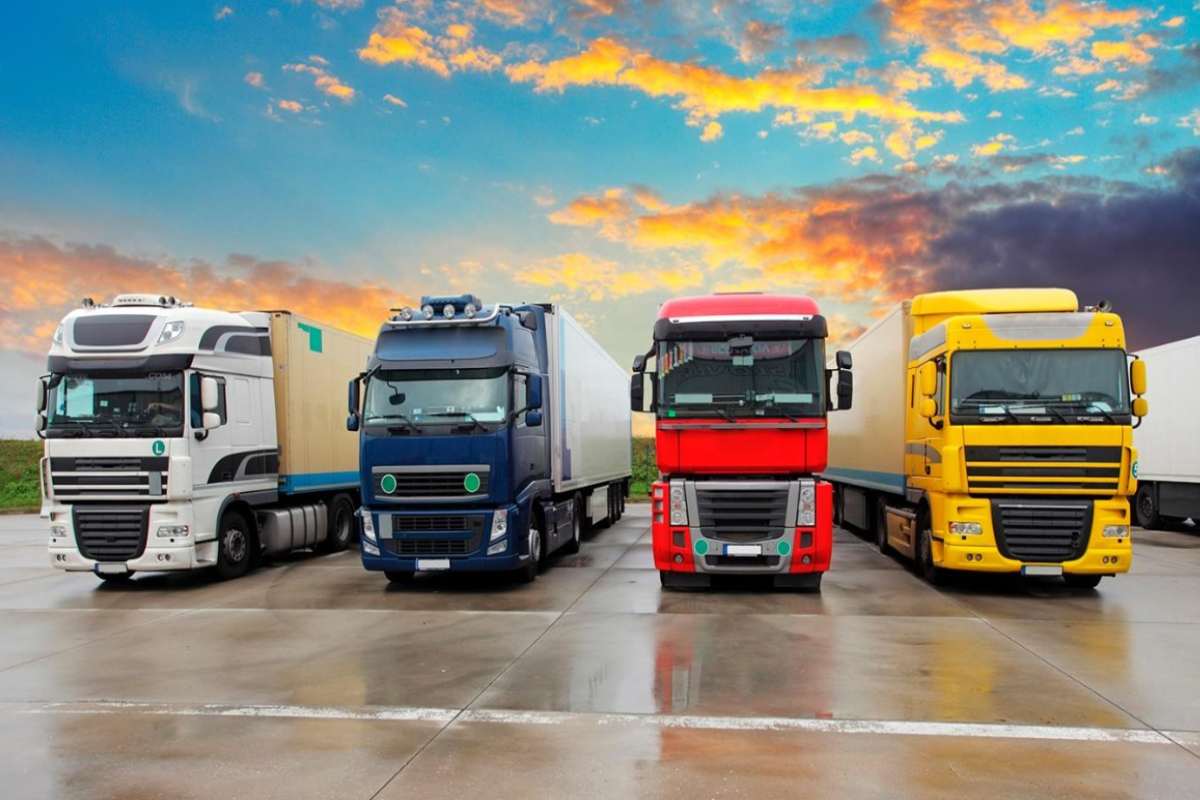
Motor transport is one of the most important parts of the logistics and supply chain industry. It helps businesses move goods from factories to warehouses, from warehouses to shops, and finally to customers. Because it is fast, flexible, and easy to access, motor transport continues to be the backbone of delivery systems across the world.
Whether it’s a small package ordered online or large furniture that needs careful handling, road transport plays a major role in making sure products reach the right place at the right time.
Table of Contents
Why Motor Transport Matters
Motor transport connects cities, towns, and rural areas. It supports trade, helps businesses grow, and makes sure people receive goods without long delays. Many industries—such as e-commerce, manufacturing, farming, and retail—depend on road transport every day.
Without motor transport, supply chains would break, delivery times would slow down, and businesses would struggle to meet customer expectations.
Key Advantages of Motor Transport
1. Flexibility and Easy Movement
Motor vehicles can travel on almost any road. This gives businesses the freedom to deliver goods directly to homes, shops, or warehouses. It also allows goods to reach remote areas where rail or air services are not available.
2. Cost Savings
For short and medium distances, road transport is cheaper than other methods. There is less paperwork, less handling, and no need to transfer goods between different transport modes, which saves time and money.
3. Fast Delivery Options
Motor transport is ideal for urgent deliveries. Same-day and next-day delivery services rely heavily on road transport. This is one reason why online shopping has grown so fast.
4. Suitable for All Types of Goods
Motor transport can handle small packages, fragile items, food products, machinery, and even oversized goods. Specialized vehicles like refrigerated trucks help carry perishable items safely.
5. Easy Tracking and Communication
With modern tracking systems, customers and businesses can see the live location of their shipments. This improves trust, reduces confusion, and helps manage schedules better.
Specialized Services: The Role of Möbel Transport
As the logistics industry grows, specialized services are becoming more common. Möbel Transport is a good example. This service focuses on moving furniture and other delicate or oversized items.
These services offer:
-
Careful handling by trained staff
-
Protective packing
-
Secure loading and unloading
-
GPS-based tracking
-
Customized delivery schedules
Using motor transport for furniture ensures safe delivery without damage. With route planning and tracking technology, Mobel Transport services are now more reliable and time-efficient.
Technology in Motor Transport
Technology has changed the way motor transport works. Today, companies use modern tools such as:
-
GPS tracking
-
Digital maps and route optimization
-
Online booking and tracking portals
-
Mobile apps for drivers
-
Digital proof of delivery
These tech tools help reduce delays, save fuel, and improve delivery performance.
Safety in Motor Transport
Safety is an important part of road logistics. Transport companies follow several steps to keep goods and drivers safe:
-
Regular vehicle check-ups
-
Safe driving training
-
Quality packing and loading systems
-
Speed control and monitoring
-
Insurance coverage for valuable goods
These steps reduce accidents and ensure that goods reach safely.
Sustainability and the Future of Road Transport
To reduce pollution and fuel consumption, many companies are shifting toward greener choices:
-
Electric trucks and vans
-
Solar-powered warehouses
-
Low-emission engines
-
Better fuel management systems
-
Use of recycled materials for packaging
These changes help protect the environment and also reduce long-term costs.
Challenges in Motor Transport
Even though it offers many advantages, motor transport faces some challenges:
-
Traffic congestion
-
Fuel price fluctuations
-
Road maintenance issues
-
Weather problems
-
Driver shortages in some regions
However, with better planning, technology, and eco-friendly solutions, these challenges can be reduced.
Conclusion
Motor transport remains a powerful and reliable part of the logistics system. It provides flexibility, speed, cost savings, and wide access to businesses and consumers. With specialized services like Mobel Transport, modern technology, and a growing focus on sustainability, the future of road transport looks promising and efficient.
As businesses continue to grow, motor transport will stay essential for smooth delivery operations and customer satisfaction.